


Key Takeaways
- End carriages influence how smoothly an overhead lifting system moves along its runway and how stable loads remain during operation.
- Wheels, motors, drive systems, and runway conditions should be checked together because they affect movement control and equipment wear.
- Poor positioning or worn travelling parts can create vibration, uneven pressure, load sway, and higher servicing needs over time.
- Selecting the right end carriage setup depends on span, load capacity, duty cycle, site conditions, and daily operating requirements.
Introduction
End carriages play a direct role in how smoothly an overhead crane moves along its runway. Their wheels, motors, drive system, and alignment affect crane travel, load stability, component wear, and overall lifting reliability. For Singapore industrial facilities that depend on consistent overhead lifting, the right end carriage setup helps support safer overhead crane movement, better alignment, and more reliable daily operation.
What End Carriages Do in an Overhead Crane System
End carriages sit at both ends of the crane bridge and allow the crane to travel along the runway. They carry the bridge structure, support the movement of the crane across the working area, and help keep the crane aligned during operation.
In an overhead crane system, end carriages are not just supporting parts. They affect how the crane starts, stops, travels, and handles load movement across the span. When the end carriages are properly selected and maintained, crane travel becomes smoother, more stable, and better controlled.
How Wheels and Motors Affect Crane Travel
The crane wheel assembly and motor system work together to move the crane along the runway. The wheels must roll evenly on the rail, while the motor and drive system must provide controlled movement across the required travel distance.
If the wheels are worn, poorly matched, or not aligned with the runway, the crane may experience uneven travel, vibration, noise, or additional resistance during movement. If the motor or drive system is not suited to the crane’s duty requirements, travel may become inconsistent, especially in facilities with frequent lifting operations.
Why Alignment Matters for Smooth Crane Movement
Crane alignment affects how evenly the end carriages move along the runway. Proper alignment allows both sides of the crane to travel together without excessive skewing, dragging, or uneven pressure on the wheels and rails.
Poor alignment can place unnecessary stress on the end carriages, runway, wheels, motors, and bridge structure. Over time, this may lead to faster component wear, less predictable crane movement, and higher servicing needs. In facilities where loads are moved regularly, alignment plays an important role in keeping movement steady and controlled.
How End Carriage Condition Affects Load Stability
The condition of the end carriages can affect how stable the load feels during movement. Smooth and balanced movement helps reduce sudden jerks, uneven motion, and unnecessary load sway.
When end carriages are worn, misaligned, or affected by wheel and drive issues, the crane may not move as consistently as intended. This can make load handling more difficult, especially when operators need to position heavy materials accurately across production, storage, or assembly areas.
How End Carriages Influence Component Wear
End carriages affect more than crane movement alone. When they do not travel properly, other crane components may experience additional strain. Wheels, rails, bearings, motors, brakes, and structural connections can all be affected by poor movement or uneven loading.
Consistent friction, skewing, or vibration may shorten the working life of these components. Proper end carriage performance helps distribute movement forces more evenly and supports the long-term reliability of the crane system.
Why End Carriage Selection Must Match Crane Requirements
End carriage selection depends on the crane’s span, load capacity, travel distance, duty cycle, runway design, and operating environment. A crane that handles heavier loads or travels frequently may require a more robust end carriage setup than a crane used for lighter or less frequent lifting tasks.
The right end carriage design helps the crane move in a way that matches its actual workload. This supports safer travel, better alignment, and more dependable operation within the facility’s lifting environment.
How Site Conditions Affect End Carriage Performance
Site conditions can influence how well end carriages perform. Runway alignment, rail condition, structural support, dust, moisture, and operating frequency may all affect travel performance over time.
In Singapore industrial facilities, cranes may operate within compact layouts, busy production areas, or environments where humidity and regular use can place added demands on components. End carriages should therefore be considered alongside the wider crane system, rather than treated as isolated parts.
Why Servicing Supports Reliable Crane Travel
Regular servicing helps identify early signs of end carriage wear, wheel issues, motor strain, and alignment problems. These checks help prevent small movement issues from developing into more serious travel concerns.
Servicing also supports safer crane operation by keeping key travelling components in proper working condition. When end carriages, wheels, motors, and brakes are checked at suitable intervals, the crane system can continue to move loads with better control and reliability. This is why overhead crane maintenance should include checks on both travelling parts and the wider runway system.
How Shin Guan Supports Reliable Crane Travel
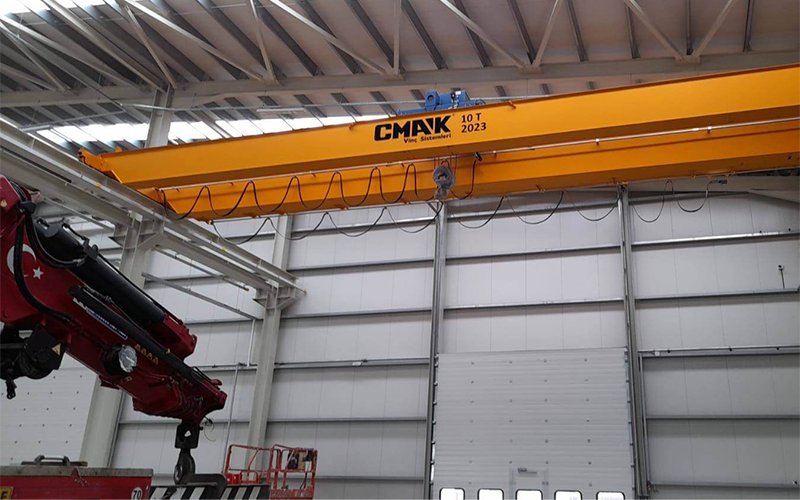
End carriages are central to crane movement, alignment, and load movement. Their condition affects how smoothly the crane travels, how evenly loads are handled, and how reliably the system performs during daily industrial operations.
Shin Guan specialises in high-quality electric crane systems and hoists for industrial lifting applications. With crane and hoist systems that can be customised to suit building and operational requirements, we support businesses that need dependable overhead crane performance, proper component selection, and reliable overhead crane service for long-term travel stability.
Need support with end carriage selection, servicing, or crane travel issues? Speak with us to review your overhead crane setup and identify the right component or servicing support for your site requirements.