


Part 1: Introduction

In busy industrial environments, where efficiency, reliability, and safety are paramount, the choice of lifting equipment can significantly impact operations. Companies require industrial lifting solutions that are not only robust and compliant with safety regulations but also adaptable to evolving operational demands. This is where modern crane systems offer a distinct advantage, combining flexibility, durability, and precision to support long-term industrial performance.
Traditional crane repairs or upgrades can be costly and disruptive. For instance, a single component failure may require dismantling entire sections of a crane, resulting in extended downtime, reduced productivity, and increased operational costs. In contrast, modern crane systems are designed for easy servicing. Individual components such as hoists, trolleys, or control units can be replaced quickly without affecting the rest of the system, minimising delays and supporting consistent crane maintenance schedules.
The true strength of these crane systems lies in their scalability and adaptability. Businesses can enhance lifting capacity, integrate upgraded control units, or reconfigure layouts without replacing the entire crane. This flexibility not only reduces capital expenditure but also streamlines spare parts management, as standardised components can cover multiple functions across the system.
By adopting a flexible crane infrastructure, companies gain better control over crane performance, extend equipment lifespan, and future-proof their industrial lifting setup. Facilities can maintain high operational uptime, respond to evolving workflow requirements, and remain competitive in a dynamic global industrial sector. This article explores how modern crane systems are transforming industrial lifting in Singapore and why they are increasingly becoming the preferred choice for forward-thinking businesses.
Key Takeaways
- Flexible crane systems are transforming how industries in Singapore approach lifting operations, balancing adaptability, compliance, and productivity.
- Investing in modern systems reduces downtime, improves servicing efficiency, and supports long-term scalability.
- Choosing the right crane supplier and certified components ensures compliance with Singapore’s regulations and delivers maximum return on investment.
Part 2: Understanding Modern Crane Systems
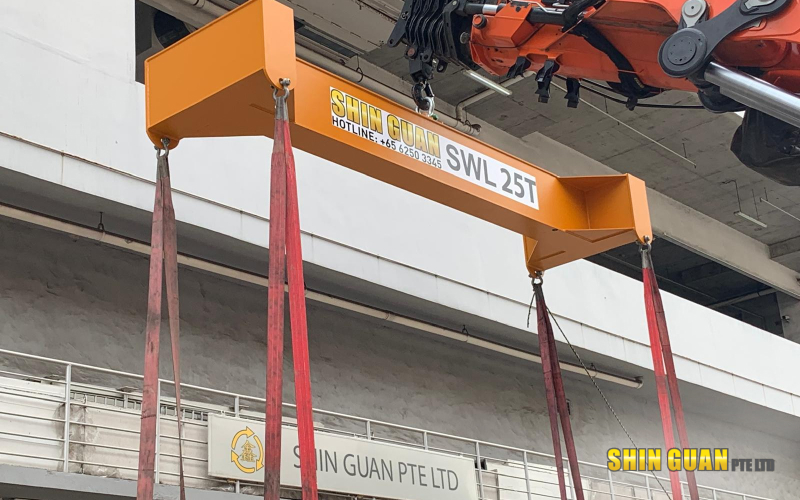
2.1 What Are Modern Crane Systems and How Do They Work?
One of the greatest strengths of modern crane systems is their ability to adapt to changing business needs without requiring a full replacement. In industries where technology, production demands, or safety standards are constantly evolving, companies cannot afford to let their equipment fall behind. A flexible approach to crane system design allows businesses to keep pace with new requirements while keeping costs manageable.
Instead of investing in an entirely new crane, companies can upgrade specific crane components such as the hoist, trolley, or even electronic control systems. For example, if a business needs to handle heavier loads, it can simply replace the hoist with a higher-capacity model that fits seamlessly into the existing crane. Likewise, improvements in automation and safety can be introduced through add-ons, ensuring cranes remain compliant with the latest standards. Smart diagnostic tools such as CMAK’s HoistSense system further elevate this adaptability by monitoring real-time hoist performance and load data. With predictive insights, operators can schedule maintenance proactively, detect anomalies early, and extend the working life of key crane components.
The flexibility of modern crane systems allows upgrades to be carried out in phases, reducing downtime and spreading costs over time. It is especially valuable in sectors like manufacturing, logistics, and construction, where operational continuity is essential. By relying on modern crane systems, businesses can adopt new technologies smoothly while maintaining productivity.
Beyond cost savings, incremental upgrades also simplify long-term maintenance. Standardised parts and easy-to-install components ensure that service teams can integrate new features without major reconfiguration. This not only extends the lifespan of the equipment but also maximises return on investment.
In short, flexible crane systems allow companies to grow and modernise more freely. They transform cranes into scalable assets, ensuring that lifting equipment remains efficient, safe, and aligned with evolving operational needs.
2.2 Benefits of Modern Crane Systems for Singapore Industries
For businesses in Singapore, where space and compliance are critical, modern crane systems offer clear benefits:
-
Scalability & Future Expansion
Many industries face rapidly evolving operational needs, and traditional crane setups may struggle to keep up. Modern crane systems offer unparalleled flexibility, allowing facilities to expand or reconfigure their crane infrastructure as demand grows. Adding or modifying crane components is straightforward, enabling businesses to scale operations without the expense and downtime of a full replacement. This adaptability ensures that crane setups remain relevant even as production volumes or workflow requirements change.
-
Reduced Downtime & Maintenance Costs
Maintenance is a critical consideration for Singaporean companies where production efficiency directly affects profitability. With modern crane systems, individual components can be serviced or replaced independently, reducing downtime during maintenance. Quick replacement of parts like hoists, end trucks, or control modules keeps operations running smoothly and minimises costly interruptions. This approach extends equipment life, reduces overall servicing costs, and maintains consistent performance.
-
Space-Efficient Engineering
Urban industrial facilities in Singapore often face space constraints. A custom crane design allows for maximised workspace efficiency. Cranes can be tailored to specific floor layouts, ceiling heights, and production line requirements without compromising lifting capacity. Compact, pre-engineered structures make it easier to maintain safety, streamline material flow, and utilise available space effectively, which is essential for modern factories, warehouses, and logistics hubs.
-
Compliance-Ready & Safety-Focused
Adhering to local regulations, such as MOM certifications, is crucial for Singapore facilities. Modern crane systems simplify compliance because upgrades, inspections, and safety checks can focus on individual components. Incorporating features like overload protection, limit switches, and emergency stops is more straightforward, helping businesses maintain crane servicing schedules, meet safety standards, and protect both workers and assets.
This adaptability makes modern crane systems more than just a convenience, but also a sound long-term investment that improves your operations in every way.
Part 3: How Modern Crane Systems Work in Practice
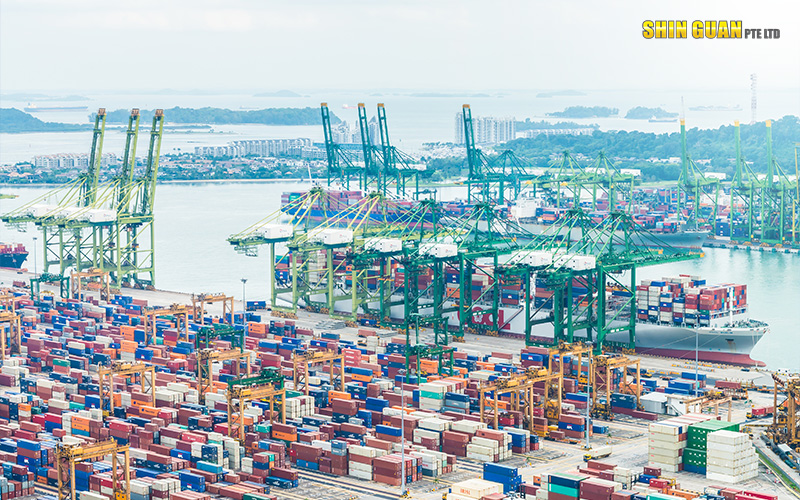
3.1 Applications Across Key Sectors in Singapore
Modern crane systems are transforming industrial operations in Singapore and beyond. By offering adaptability, precision, and streamlined maintenance, these systems provide practical solutions for industries that require both efficiency and compliance. Their ability to integrate seamlessly into various workflows makes them a highly sought-after choice for modern facilities.
-
Manufacturing & Assembly Lines
Precision manufacturing sectors, including electronics and precision engineering, require consistent material handling along complex production lines. Modern industrial crane setups can be customised to fit unique assembly layouts. This ensures smooth workflow, minimises bottlenecks, and supports continuous production, while crane services can be carried out without halting the entire line. In high-precision environments such as electronics and advanced manufacturing, tools like HoistSense provide continuous feedback on lifting cycles and motor performance, ensuring operational accuracy and safety throughout production.
-
Warehousing & Logistics Hubs
Logistics facilities face dynamic inventory flow and frequent layout changes. Modern crane systems allow operators to extend or relocate crane tracks as warehouse needs evolve. This reduces downtime and optimises space usage while maintaining operational safety and efficiency.
-
Construction & Infrastructure Projects
Large-scale construction projects often require repetitive lifting of heavy materials across multiple sites. Modern crane systems can be installed quickly or moved to new locations as project stages advance. This ensures continuous material handling with minimal disruption, while cranes remain compliant and fully functional throughout the project.
By adapting to different sectors, modern crane systems are proving their value in both heavy-duty and precision environments.
3.2 Factors to Consider Before Making the Switch
While modern crane systems offer numerous advantages, careful planning is essential to ensure a smooth transition and long-term operational efficiency. Businesses should evaluate technical, operational, and compliance aspects before upgrading or replacing traditional setups.
-
Initial Cost vs Long-Term Gains
The upfront investment for modern crane systems may be higher compared to conventional cranes. However, their flexibility and ease of maintenance often lead to significant cost savings over time. Faster installation, reduced downtime, and simpler repairs mean companies can achieve a faster return on investment. When calculating overall benefits, businesses should consider the total cost of ownership, including maintenance, spare parts, and productivity gains.
-
Facility Layout & Integration
Assessing your facility’s current layout is a crucial part of the decision making process. Industrial crane setups must consider ceiling heights, floor load capacities, and obstruction points to ensure safe and efficient operation. To that end, the versatility of modern crane systems allows them to fit into unconventional or tight spaces, making them ideal for urban factories, logistics hubs, or retrofitted facilities. Proper planning ensures seamless integration and avoids costly adjustments later.
-
Regulatory Compliance
Singapore’s Ministry of Manpower (MOM) and Workplace Safety and Health (WSH) regulations require cranes to meet strict safety and load-handling standards. Choosing modern systems allows companies to easily achieve compliance, as components can be upgraded or replaced to satisfy inspection requirements. Ensuring proper certification for all crane components minimises legal risks and supports safer industrial operations.
-
Choosing the Right Supplier
It is important to partner with a reputable crane supplier with a stellar track record. Look for specialists offering CMAK-certified components, professional crane services, and tailored guidance on crane infrastructure. A reliable provider ensures high-quality installations, technical support, and ongoing maintenance that maximise operational efficiency.
By taking these steps, businesses can ensure that their investment in a modern crane infrastructure delivers maximum results.
FAQs
1. Are modern crane systems as strong and durable as traditional cranes?
Yes. Modern crane systems are built to meet the same load-bearing and safety standards as traditional cranes, ensuring strength and reliability in demanding industrial environments. They use high-quality materials and components such as CMAK-certified hoists, trolleys, and control units that can handle repetitive, heavy-duty use while maintaining structural integrity and performance over time.
Beyond durability, modern cranes also prioritise maintainability. Their accessible design allows for easier inspections, component replacements, and upgrades, reducing long-term wear and tear. With proper servicing and adherence to local safety standards, businesses can expect consistent performance, extended lifespan, and lower repair costs throughout years of operation.
2. Can I retrofit my existing crane setup with modern components?
In many cases, yes. Modern systems are designed with compatibility and scalability in mind, allowing older cranes to be upgraded with newer components such as hoists, end trucks, or control systems. This means businesses can enhance capacity, performance, or automation features without replacing the entire system. Retrofitting can be especially useful for extending the lifespan of cranes that remain structurally sound but need modernised control or safety features.
Before starting a retrofit, it’s important to assess compatibility and compliance. Partnering with an experienced crane supplier in Singapore ensures that upgrades are correctly integrated, tested, and certified under local MOM and WSH standards for safety and efficiency.
3. How long does installation take?
The installation timeline for modern crane systems depends on the project’s complexity, size, and existing infrastructure. Pre-engineered cranes that use standardised components can often be partially assembled off-site and installed within a shorter timeframe. This approach minimises disruption, reduces downtime, and allows operations to resume faster compared with traditional systems that require extensive on-site assembly.
Facilities in high-traffic sectors such as logistics or manufacturing particularly benefit from this efficiency. Working with a qualified crane company in Singapore ensures proper site assessment, technical planning, and safety compliance. A well-managed installation not only speeds up deployment but also guarantees long-term reliability and operational safety.
Conclusion
Modern crane systems provide a high level of flexibility, making them ideal for Singapore’s industrial sector, where facility layouts, production lines, and operational requirements constantly evolve. By adopting flexible crane systems, businesses can adapt quickly to changes, expand operations, or upgrade components without experiencing significant downtime. This adaptability ensures operations continue smoothly, maintaining productivity and efficiency.
High-quality crane components such as CMAK-certified hoists, end trucks, and control modules contribute to long-term reliability and compliance with local regulations. Across Singapore, sectors ranging from maritime and manufacturing to logistics and construction are embracing modern crane systems to enhance workflow efficiency, reduce maintenance complexities, and improve safety.
For businesses looking to scale, relocate, or upgrade, investing in flexible crane infrastructure reduces long-term costs, simplifies maintenance, and minimises downtime. Working with a trusted crane company in Singapore provides assurance that all industrial lifting needs are supported by experienced professionals. Additionally, integrating CMAK’s HoistSense technology adds another layer of reliability to modern crane systems. Its data-driven monitoring and predictive maintenance capabilities empower businesses to optimise performance and enhance safety across their entire lifting infrastructure.
Here at Shin Guan, we are a one-stop crane supplier in Singapore, specialising in high-quality industrial cranes, CMAK products, and tailored crane services to address unique operational challenges. With over 25 years of experience serving diverse industries, our team of engineers is well-equipped to support your lifting requirements.
To find out more about our products, services, or even accreditations, please contact us today.