


Key Takeaways
- Beam strength, rail positioning, support spacing, and structural connections directly influence movement stability and load handling.
- Poorly planned systems can lead to vibration, uneven wheel wear, excessive deflection, noise, and repeated servicing needs.
- Existing buildings should be assessed before new equipment is added or upgraded, particularly where layouts, headroom, and column spacing are fixed.
- Early planning helps reduce costly structural changes, improve operational reliability, and support safer long-term lifting performance.
Introduction
Crane runway design affects how safely and smoothly an overhead crane travels across an industrial facility. The runway beams, rails, supports, and alignment all influence load movement, structural stress, component wear, and long-term crane reliability. For Singapore worksites with fixed building layouts, limited space, and demanding lifting operations, proper runway planning helps reduce movement issues, support safer lifting, and protect the performance of the crane system over time.
What a Crane Runway Does in an Overhead Crane System
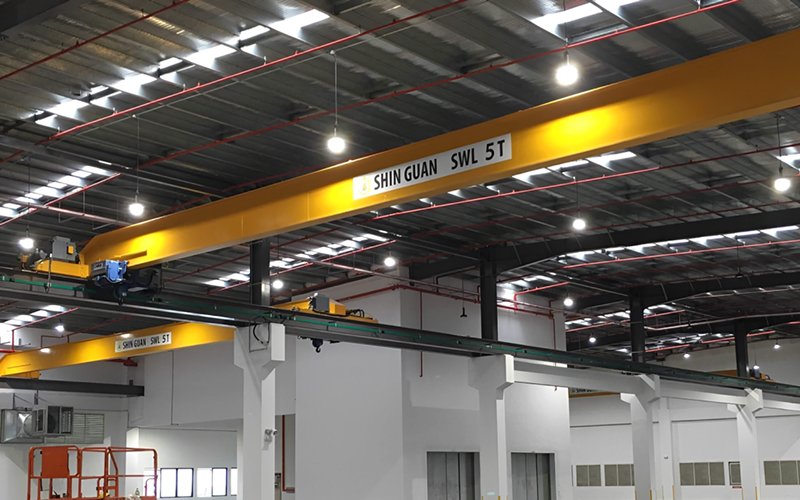
A crane runway forms the support path that allows an overhead crane to move along a facility. It typically includes runway beams, rails, supports, and structural connections that guide and carry the crane as it travels across the working area.
In an overhead crane system, the runway does more than provide a track for movement. It helps distribute loads, maintain travel alignment, and support the forces created during lifting and crane movement. A well-designed runway allows the crane to move with better stability and reduces unnecessary stress on both the crane and the building structure.
Why Runway Beams Matter for Crane Stability
Runway beams provide the main structural support for the crane’s travel path. Their strength, spacing, straightness, and connection to the building structure affect how the crane performs during daily operation.
If the runway beams are not designed to suit the crane’s load, span, and travel requirements, the crane may experience uneven movement or added vibration. In heavier lifting applications, the runway beam design must account for both static loads and the dynamic forces that occur when the crane starts, stops, lifts, and travels.
How Crane Rails Affect Smooth Travel
Crane rails guide the wheels of the crane along the runway. Rail condition, rail positioning, and rail alignment all affect how smoothly the crane travels across the work area.
When rails are properly installed and maintained, the crane can move with less resistance and more predictable control. Poor rail condition or inaccurate rail positioning can create rough movement, wheel wear, noise, or added strain on travelling components. Over time, these issues can affect the reliability of the whole crane system.
Why Runway Supports Must Match the Lifting Requirement
Runway supports transfer crane loads into the building structure or supporting columns, providing the overhead crane support needed for stable operation. These supports must be suitable for the crane’s rated capacity, operating frequency, span, and movement requirements.
In Singapore industrial facilities, existing structures may not always be designed for new or upgraded crane systems. Runway support planning becomes important when a business adds overhead lifting to an existing site or changes the load requirements of an older crane system. Proper support reduces the risk of excessive deflection, uneven loading, and long-term structural stress.
How Runway Alignment Affects Crane Movement
Runway alignment affects how evenly the crane travels along its path. Straight, level, and properly aligned runway rails help the crane move without unnecessary skewing, dragging, or uneven pressure.
Poor alignment can create resistance during travel and place extra stress on wheels, rails, motors, and structural connections. While these symptoms may first appear as movement issues, the root problem can often sit in the runway support structure rather than the crane body alone.
What Poor Runway Design Can Cause Over Time
Poor runway design can create long-term problems that may not appear immediately after installation. Uneven travel, rail wear, wheel wear, vibration, noise, and repeated alignment issues can develop when the runway structure does not properly support the crane’s movement.
These issues may increase servicing needs, complicate overhead crane maintenance, and reduce operational reliability. In facilities where crane systems are used regularly for production, maintenance, or material handling, small runway-related issues can gradually affect productivity, safety, and equipment lifespan.
Why Runway Planning Should Come Before Installation
Runway planning should be considered early because it affects the final crane design, support structure, lifting coverage, and crane installation method. Load capacity, crane span, travel distance, building layout, column spacing, and available headroom all influence how the runway should be designed.
A properly planned runway helps the crane system fit the facility safely and function as intended. It also reduces the chance of costly adjustments after installation, especially in sites where structural changes are difficult or disruptive.
How Runway Design Affects Crane Upgrades
Crane upgrades do not only involve replacing the crane, hoist, or controls. The existing runway must also be reviewed to confirm whether it can support the upgraded load, movement pattern, and operating demand.
An older runway may not be suitable for heavier loads, longer operating hours, or updated crane specifications. Reviewing the runway structure before an upgrade helps prevent a mismatch between the new crane system and the support path it depends on.
Why Runway Design Matters in Singapore Industrial Facilities
Many industrial facilities in Singapore work within fixed buildings, compact layouts, and established production areas. These conditions can limit where runway beams, rails, and supports can be placed.
A practical runway design must fit these site constraints while still supporting safe crane movement. Proper planning helps businesses use available space more effectively without compromising structural integrity, lifting coverage, or long-term crane performance.
How Shin Guan Supports Reliable Overhead Crane Planning
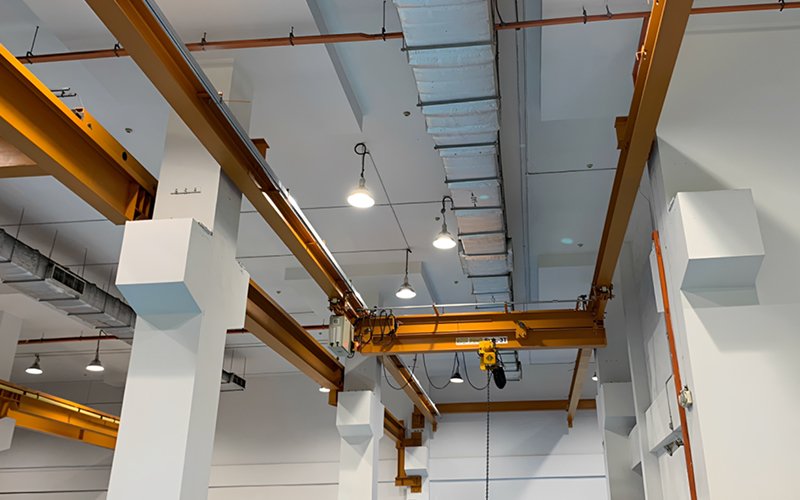
Long-term crane performance depends on more than the crane unit itself. The runway support structure plays a major role in movement stability, alignment, load distribution, and overall reliability.
Shin Guan specialises in high-quality electric crane systems, hoists, and crane components for industrial lifting applications. Our overhead travelling crane solutions can be customised alongside suitable hoist systems to meet building and operational requirements. We support businesses that need practical crane planning, reliable overhead lifting, and runway considerations that align with real site conditions.
Speak with us to assess your facility requirements and plan a safe, stable, and reliable lifting solution for long-term operation.