


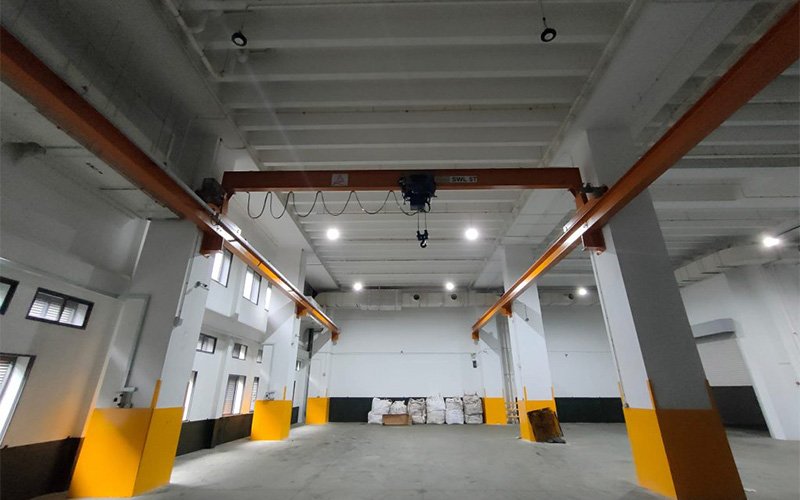
Key Takeaways
- Crane and hoist selection should consider how often equipment is used, how long it runs, and how demanding each lifting task is.
- Load capacity alone is not enough to determine whether a system is suitable for daily industrial use.
- Motors, brakes, controls, and other components must be matched to actual usage patterns to reduce wear and support safer operation.
- Proper planning helps facilities choose or upgrade lifting systems that perform more reliably over time.
Introduction
Duty cycle affects how often, how long, and how intensively a crane or hoist can operate before wear, heat, and performance issues become a concern. For Singapore industrial facilities, duty cycle planning helps businesses choose equipment that matches real workload patterns, instead of selecting a crane or hoist based only on lifting capacity. When motors, brakes, hoists, and controls are properly matched to operating intensity, the system can support safer, steadier, and more reliable lifting over time.
What Crane Duty Cycle Means for Crane and Hoist Use
Duty cycle refers to the working pattern of a crane or hoist over a given period. It considers how frequently the equipment lifts, how long each operation lasts, how heavy the loads are, and how much rest time the system has between cycles.
In industrial lifting, two cranes with the same rated capacity may not face the same duty requirements. A crane used occasionally for maintenance work has a different workload from one used repeatedly in a production line, fabrication bay, or busy warehouse. Duty cycle gives a clearer picture of how hard the system actually works during daily operations.
Why Lifting Frequency Changes Equipment Requirements
Lifting frequency affects the amount of stress placed on the hoist, motor, brakes, and control system. A crane that performs many lifts throughout the day needs components that can handle repeated starts, stops, lifting movements, and positioning tasks.
When this is underestimated, the crane may still be able to lift the load, but it may not be suited to the pace of work. This can lead to overheating, brake wear, slower response, and more frequent servicing needs. A suitable duty cycle helps the equipment match the rhythm of the operation.
How Operating Hours Affect Crane and Hoist Selection
Operating hours show how long the crane or hoist is expected to run within a shift, day, or production cycle. Equipment used for short, occasional lifting does not carry the same demand as equipment used across long operating hours.
Longer operating hours can increase heat build-up, mechanical wear, and strain on moving parts. Motors, gearboxes, brakes, and electrical components must be suited to these conditions. A crane or hoist selected without considering operating hours may become less reliable in high-use environments.
Why Load Weight Alone Is Not Enough for Duty Planning
Load weight remains important, but it does not fully define the operating workload. A moderate load lifted hundreds of times a day may create more operating stress than a heavier load lifted only occasionally.
Duty cycle planning looks at both load demand and usage patterns. It considers whether loads are lifted frequently, held in position, moved across longer travel distances, or positioned with repeated control adjustments. This gives a more accurate basis for crane and hoist selection.
How Motors and Brakes Respond to Workload Intensity
Motors and brakes are directly affected by workload intensity. Frequent lifting and travel movements require motors that can handle repeated operation, while brakes must be able to stop and hold loads safely under regular use.
If these components are not matched to the duty cycle, performance may become inconsistent over time. Motors may run hotter, brakes may wear faster, and the crane may require more frequent attention. Correctly matched components support smoother operation and more predictable lifting performance.
How Hoist Performance Depends on the Right Duty Class
Hoist performance depends on more than lifting capacity. The hoist must also be suited to how often it lifts, how long it operates, and how demanding the application is.
A hoist used in regular production or material handling work needs a duty class that reflects repeated lifting cycles. When the duty class matches the workload, the hoist can support safer lifting, steadier movement, and better long-term reliability. When the duty class is too low, premature wear becomes more likely. This is especially important when selecting lifting hoists for facilities that handle repeated daily lifting tasks.
Why Crane Controls Must Match Usage Patterns
Crane controls affect how operators start, stop, position, and move loads. In high-frequency lifting environments, control responsiveness and consistency become especially important.
A control system that suits the workload can support smoother operation and better load handling. This is important in facilities where loads must be positioned accurately, moved repeatedly, or handled across busy work zones. Poorly matched controls can make frequent lifting more tiring, less precise, and harder to manage safely, especially when a hoist crane operates across tight routes or shared work areas.
How the Wrong Duty Cycle Leads to Premature Wear
An unsuitable duty cycle can cause the crane or hoist to work beyond its intended operating pattern. Over time, this may affect motors, brakes, gear systems, wire ropes, chains, wheels, electrical parts, and other crane components.
Premature wear may appear as reduced lifting smoothness, longer stopping response, unusual noise, overheating, or more frequent breakdowns. These issues can affect productivity and safety, especially in facilities that rely on cranes for daily material handling.
Why Crane Duty Cycle Planning Matters in Singapore Facilities
Many Singapore industrial facilities operate within fixed layouts, compact spaces, and demanding production schedules. In these environments, crane and hoist systems may need to support frequent lifting while working around limited space, defined travel routes, and strict operational timing.
Duty cycle planning helps businesses choose equipment that fits real site usage. It supports better long-term performance by matching the crane or hoist to the workload, rather than relying only on the highest load requirement or the most basic equipment specification.
How Shin Guan Supports Crane and Hoist Selection for Real Workloads
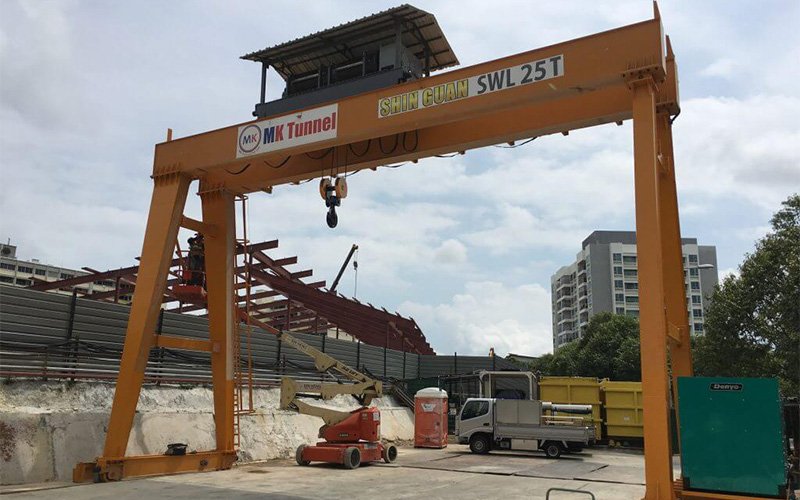
Duty cycle is an important part of selecting a crane or hoist that can perform reliably under actual operating conditions. The right system balances load capacity, lifting frequency, operating hours, component durability, and control performance.
Shin Guan specialises in high-quality electric crane systems, hoists, and crane components for industrial lifting applications. With crane and hoist systems that can be customised to suit building and operational requirements, we support businesses that need lifting equipment matched to real workload intensity, safe daily use, and long-term operational reliability. For facilities with frequent lifting needs, the right electric crane hoist should be selected based on duty cycle, available space, load requirements, and daily usage patterns.
If your facility needs a crane or hoist system that can keep up with daily lifting demands, speak with us to assess your crane duty cycle, site conditions, and equipment needs before selecting or upgrading your lifting system.